
Neurodiversity and ADHD: Medical, Social & Beyond

Neurodiversity is a concept that recognizes the diversity of human neurological and cognitive functioning. This idea has emerged as a reaction to the traditional medical model of viewing differences in neurological function as disorders or diseases to be treated or cured. Instead, neurodiversity advocates argue that these differences should be accepted and celebrated, and that society should strive to accommodate and include individuals with different neurological profiles.

The Medical Model of ADHD
The medical model has long been the dominant framework for understanding neurological differences, such as ADHD. This model views ADHD as a medical condition that requires treatment, typically through medication and/or behavioral interventions.[1] While this approach can be helpful for some individuals, it can also lead to stigmatization and a narrow view of what constitutes "normal" neurological functioning.
The Social Model Of ADHD
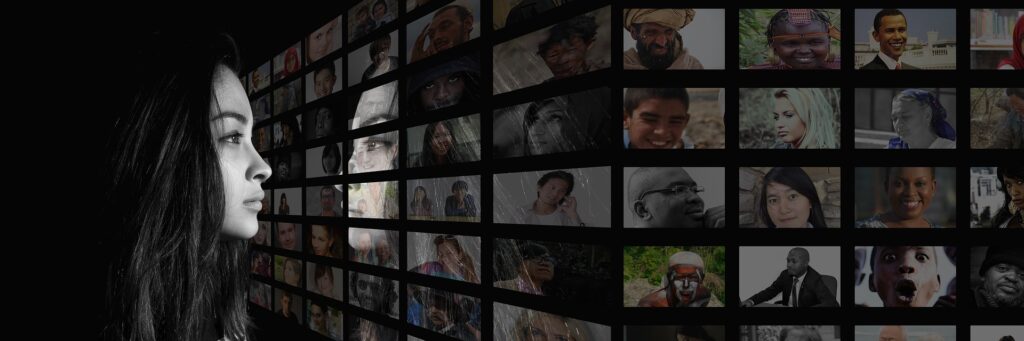
On the other hand, the social model of disability focuses on the ways in which society is structured to disadvantage certain individuals, rather than viewing disability as an inherent personal trait.[2] In the context of neurodiversity, this model emphasizes the importance of creating an inclusive and accommodating society that values and supports individuals with diverse neurological profiles.
While the medical model tends to pathologize neurological differences, the social model emphasizes the need for societal accommodations that can help individuals with ADHD and other conditions to thrive. These accommodations might include workplace flexibility, accommodations in educational settings, and support groups and resources that provide community and connection.

The Neurodiversity Movement
The neurodiversity movement [3] has been particularly influential in the ADHD community, as individuals with ADHD often face challenges in areas such as organization, time management, and impulse control. In many cases, these challenges can be addressed through the creation of supportive environments and the implementation of specific accommodations.
For example, many individuals with ADHD benefit from the use of task lists, calendars, and other organizational tools. Others may benefit from accommodations such as extra time on exams or access to assistive technology. Additionally, the creation of supportive communities, such as peer support groups or online forums, can help individuals with ADHD to connect with others who share similar experiences and to receive emotional support and practical advice.
The neurodiversity movement has also highlighted the strengths and abilities of individuals with ADHD and other neurological differences. For example, many individuals with ADHD are highly creative, spontaneous, and able to think outside the box. These traits can be valuable assets in fields such as art, entrepreneurship, and innovation. By recognizing and celebrating these strengths, the neurodiversity movement challenges the stigmatization and marginalization that individuals with ADHD and other neurological differences often face.
The MisFit Model of ADHD
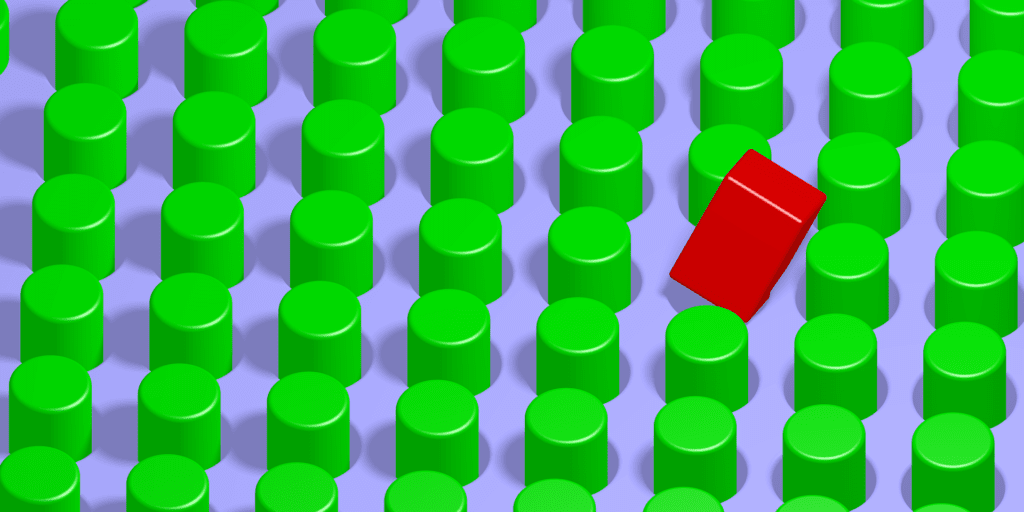
In the MisFit model of ADHD, created by myself, we attempt to reconcile these various ways of understanding ADHD.[4] In the MisFit Model, ADHD is what happens when there is an interaction between a person's unique brain-wiring and biology (aka neurodiversity) and the environment they find themselves in. This model incorporates the Neurodiversity view because it posits that there are “different types of brain.”
The MisFit Model explains that different brains suit different environments. When there is a “mis-match” or “mis-fit” between an individual and the environment, stress results. That stress expresses itself differently according to the individual's differences. Some individuals tend to experience anxiety, OCD, or poor sleep, as a result. Then you have the “neuro-atypicals” who, when the tectonic plates of mis-matching biology and environment rub together, creates symptoms that we would know today as “ADHD.”
In psychiatry, to be diagnosed with a particular “disorder”, a certain “constellation of symptoms” need to be identified, and the individual needs to pass a threshold of severity to meet the criteria for official diagnosis.
The MisFit model reconciles people at one end of the spectrum who say “ADHD is really a superpower” or “ADHD doesn't exist,” and those at the other end of the spectrum who say “ADHD is purely a biological disorder.”
The Misfit model, therefore, acknowledges that the reality is somewhere between both the conventional model, and also the social and neurodiversity models, respectively.
In practise, what this means, is that yes, a person is suffering from a “neurological disorder” when they are (according to medical model) struggling to adapt and displaying severe symptoms.
And yet with a recognition of their individual differences, perhaps a change of environment, and the appropriate support, someone with “ADHD” may no longer display such severity of symptoms, be below the thresh-hold for psychiatric diagnosis, or even learn to thrive with their unique brain wiring.
In this sense, ADHD is not necessarily a “disorder” as such, but simply a unique stress-response, which can be overcome. It reframes ADHD in a new way, and also offers hope that it is possible not just to survive, but even thrive with an "ADHD brain type" in this "neurotypical world"!
Conclusion
Overall, the concept of neurodiversity challenges traditional ways of thinking about neurological and cognitive differences, such as ADHD. While the medical model tends to pathologize these differences, the social model emphasizes the importance of creating inclusive and supportive environments that accommodate diverse neurological profiles.
By recognizing the strengths and abilities of individuals with ADHD and other conditions, the neurodiversity movement challenges stigma and promotes a more inclusive and accepting society.
Finally, the MisFit Model of ADHD, reconciles these different models, showing that they are not mutually exclusive, and helps to integrate these apparently opposing models for an even broader understanding of our “uniquely wired brains” and how to survive – and even thrive – despite, or even because of, our differences.
Do You Need Help With ADHD? Reading this article may give you some hope, but the reality is that thriving with ADHD is no easy task! Which is why I am available if you need coaching to support you to overcome your challenges and fulfill more of your potential. If you're interested in a free "ADHD Hypnosis Discovery Session" where we can discuss your needs please go to the link here: https://www.hypnosisforadhd.com/book-now/
Download Your FREE "Quickly Relax" Hypnosis MP3 By Signing Up To My Mailing List Today & Stay In Touch With The Latest Updates https://addvantagehypnotherapy.activehosted.com/app/forms/3
REFERENCES
1] ADHD and a Return To The Medical Model Of Special Education, Vol. 24, No. 3, SPECIAL ISSUE (AUGUST 2001), pp. 224-247 (24 pages), Steven R. Forness and Kenneth A. Kavale, https://www.jstor.org/stable/42899659
2] Kistler, Rey, "Trouble Sitting Still Disorder: ADHD Through the Social Model of Disability" (2022). WWU Honors College Senior Projects. 587.
https://cedar.wwu.edu/wwu_honors/587
3] What Is Neurodiversity? byMedically Reviewed by Smitha Bhandari, MD on April 07, 2021 https://tinyurl.com/yk48zp2p
4] What is ADHD | Rethinking ADHD Using the MisFit Model | Part 1, (2021), Jamie Vasilyan. https://www.hypnosisforadhd.com/what-is-adhd-rethinking-adhd-using-the-misfit-model/
[…] For more on neurodiversity why not check out my introductory blog here: Neurodiversity and ADHD: Medical, Social & Beyond […]